
Endodontic treatment, commonly known as root canal treatment, involves cleaning, disinfecting, shaping and sealing the root canal system inside the tooth. Treatment aims to manage infection or inflammation while allowing the natural tooth to be maintained where clinically appropriate.
Treatment is generally performed under local anaesthetic to numb the treatment area. A rubber dam is used to isolate the tooth and help maintain a clean treatment environment. The root canals are located, cleaned, shaped and disinfected before being sealed with an appropriate root filling material.
The number of appointments required varies according to the diagnosis, anatomy of the tooth and clinical findings. In some circumstances, an intracanal medicament may be placed between appointments.
Some temporary tenderness or discomfort can occur following root canal treatment. Individual experiences and treatment outcomes vary according to factors including the condition of the tooth, root canal anatomy, existing infection, restorability and subsequent dental care.
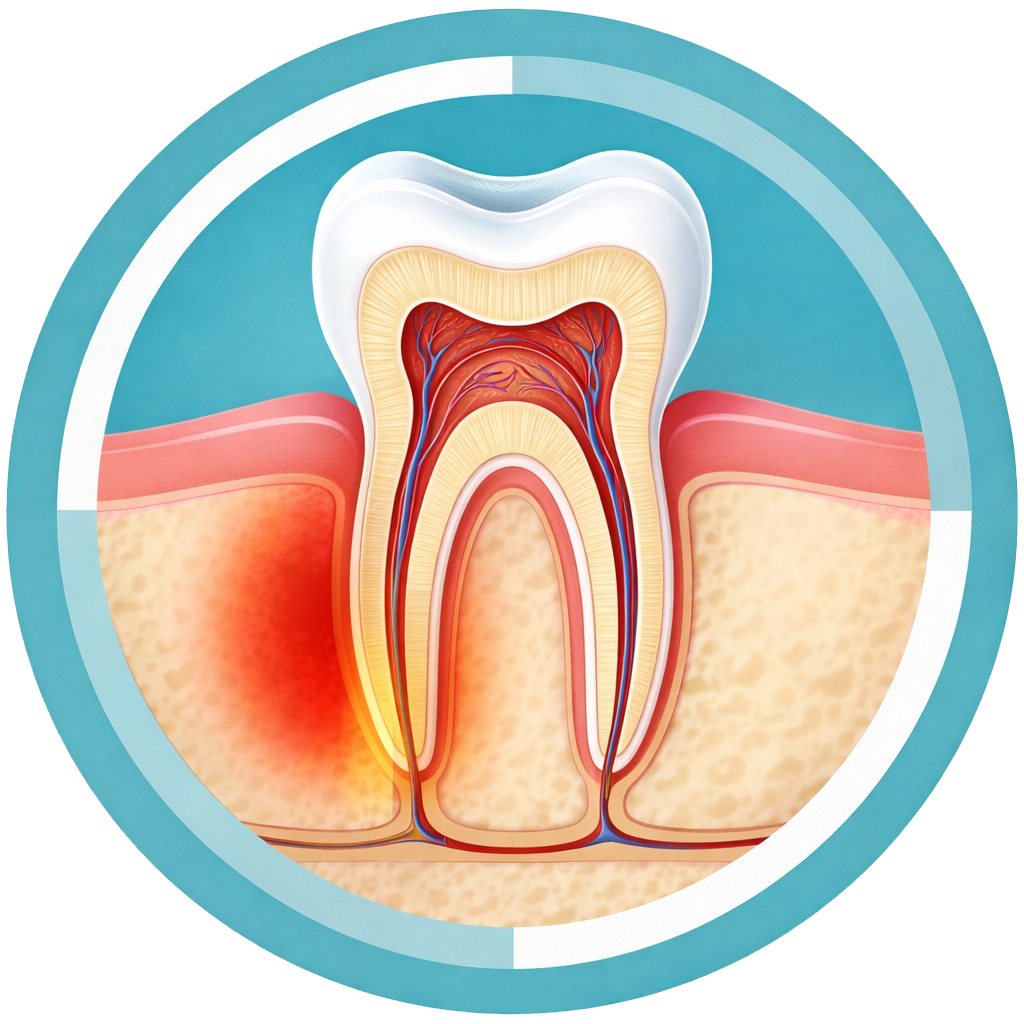
Following root canal treatment, an appropriate definitive restoration, such as a filling or crown, is important to help protect the remaining tooth structure and reduce the risk of recontamination. Your endodontist will advise when you should return to your general dentist for restorative care.
At JCV Endodontics, patient care is approached with clarity and consideration.
The clinical environment and communication style are designed to support understanding and reduce uncertainty throughout treatment. Patients are guided through each stage so they can make informed decisions about their care.
Endodontic treatment, commonly known as root canal treatment, involves cleaning, disinfecting, shaping and sealing the root canal system inside the tooth. Treatment aims to manage infection or inflammation while allowing the natural tooth to be maintained where clinically appropriate.
After root canal treatment, an appropriate coronal restoration, such as a filling or crown, is important to help protect the remaining tooth structure and reduce the risk of bacteria re-entering the treated root canal system. Your endodontist will advise when you should return to your general dentist for the definitive restoration.
Endodontic treatment is generally performed under local anaesthetic to numb the treatment area. A rubber dam is used to isolate the tooth and help maintain a clean treatment environment. The root canals are located, cleaned, shaped and disinfected before being sealed with an appropriate root filling material. Depending on the diagnosis, anatomy of the tooth and clinical findings, treatment may require more than one appointment, and an intracanal medicament may be placed between visits where indicated.
Some temporary tenderness or discomfort can occur following treatment, and your endodontist will provide advice appropriate to your circumstances. Treatment outcomes vary according to factors including the condition of the tooth, root canal anatomy, existing infection, restorability and subsequent dental care. Following treatment, an appropriate definitive restoration by your general dentist forms an important part of protecting the treated tooth.
A tooth that has previously undergone root canal treatment can sometimes develop persistent or recurrent inflammation or infection. Possible reasons include complex or previously untreated canal anatomy, leakage around an existing restoration, new decay, cracks or recontamination of the root canal system. These findings do not automatically mean that retreatment is required. Assessment considers the condition and restorability of the tooth, previous treatment, surrounding tissues and the reasonable treatment options available. Depending on the diagnosis, these may include monitoring, non-surgical root canal retreatment, surgical endodontic treatment or extraction. Retreatment can be technically more complex than initial root canal treatment because the tooth has already undergone previous dental procedures. Learn more about root canal retreatment in Perth.
For general fee guidance, visit our root canal cost in Perth page.
If you have questions for our team at JCV endodontics, please don’t hesitate to contact us.